

The Black Roses of Halfeti : A Treasure Unique in the World | Festina Lente - Your leading source of AI news | Turtles AI
The Black Roses of Halfeti : A Treasure Unique in the World
Editorial Team6 July 2024
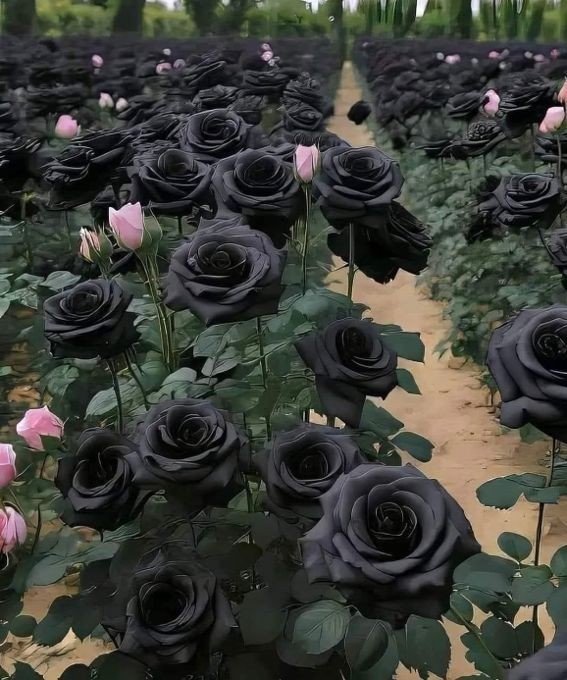
THE UNNATURAL COLOR OF THESE FLOWERS LENDS A MYSTICAL AND FAIRY-TALE ATMOSPHERE
In southeastern Sanliurfa province, the village of Halfeti is home to a unique botanical phenomenon : the natural black rose. This rare flower, known in Turkish as "Karagul," grows exclusively in this region due to the unique combination of Halfeti’s microclimate, soil properties and the waters of the Euphrates River.
The enigmatic black roses of Halfeti show a fascinating transformation throughout the year. In spring and autumn, their petals take on a deep black hue, while in other seasons they turn a dark red. This remarkable color change is due to the high density and specific pH levels of the local soil, which interact with anthocyanins, water-soluble pigments found in roses.
Historically, these roses were neglected by residents until the early 2000s, when the construction of the Birecik Dam threatened their existence. The flood prompted a joint effort by the local government and residents to preserve this botanical treasure. Greenhouses were created, allowing the roses to be grown in a controlled environment, thus safeguarding their future.
Halfeti’s black roses are not only a visual treat, but also play an important role in the local economy. Products made from these roses, such as perfumes, colognes, lokum ( Turkish delicacies) and even tea, have become highly sought after. Entrepreneurs in Halfeti, such as Devrim Tutus, have exploited this unique flower, turning it into a lucrative business that supplies markets as far away as Istanbul.
There are also plans to produce "karagul wine," further expanding the rose’s commercial appeal.
The appeal of Halfeti’s black roses goes beyond their physical beauty. They symbolize the resilience and uniqueness of the region, making Halfeti a destination for tourists and botanists eager to admire the ephemeral beauty of these rare flowers.