

The United States faces the AI energy challenge | Generative ai certification google | | Generative ai in finance and banking | Turtles AI
The United States faces the AI energy challenge
To support the development of AI, urgent investments in energy and infrastructure are needed: 50GW of capacity by 2028, regulatory simplification, new electricity grids and advanced technologies such as nuclear and geothermal
Editorial Team22 July 2025
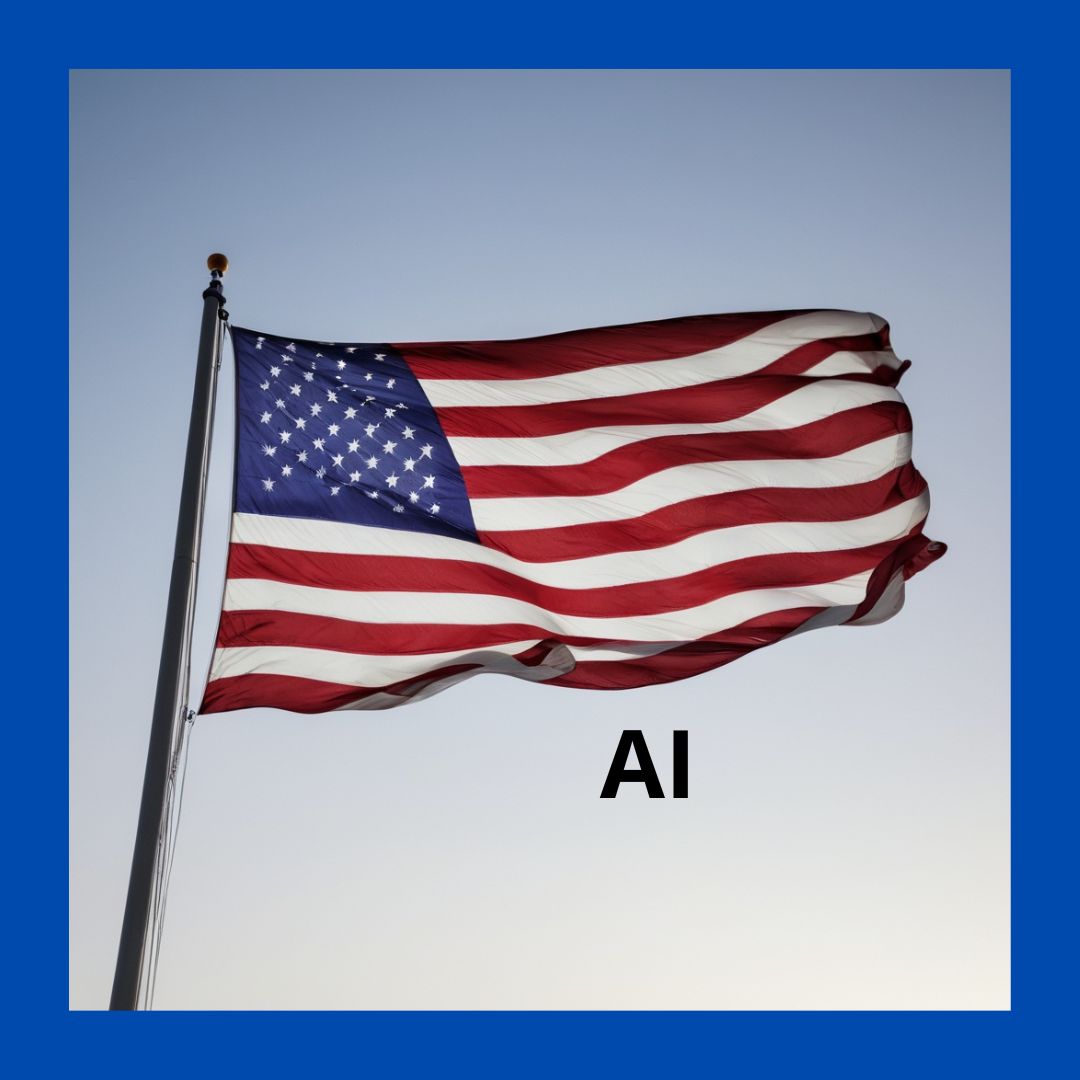
To ensure American leadership in AI, investing in energy and infrastructure is vital: at least 50GW is needed by 2028, along with grid expansion, regulatory simplification, and energy innovation (advanced nuclear, geothermal, and gas).
Key points:
- Need 50GW of electrical capacity for AI by 2028
- United States lags behind China (+400GW of energy vs. tens of GW in the US)
- Proposals: NEPA simplifications, federal permits, transmission corridors
- Focus on workforce, supply chains, and distributed infrastructure
To consolidate its leadership in AI, the United States must develop a large-scale energy and infrastructure strategy focused on massively increasing domestic electrical capacity, streamlining permits, and adopting advanced energy technologies. According to Anthropic, the sector will require at least 50GW of electrical capacity by 2028, approximately double New York City’s current peak capacity. Internationally, China added over 400GW of new capacity last year, while the US only added a few dozen, highlighting the urgency of the infrastructure gap.
Investment in AI data centers and energy infrastructure in the United States is accelerating. Over $90 billion in new facilities are being planned in Pennsylvania, including the $6 billion CoreWeave campus, to support the growing demand for energy and AI services. Furthermore, OpenAI and Oracle’s Stargate project plans to install an additional 4.5GW of capacity, taking the initiative beyond 5GW and placing up to $500 billion in investment on the table.
According to Eric Schmidt (former Google CEO), the real limit to AI advancement in the US is not chips or capital, but energy availability: the national electricity system is short approximately 92GW, a constraint that risks slowing the AI revolution. In support of this, studies such as the RAND Institute estimate that global demand for AI data centers will reach 68GW in 2027, and even 327GW in 2030.
Faced with this emergency, Anthropic suggests a two-pronged approach: the first, dedicated to large-scale AI training infrastructure, includes the use of federal lands bypassing local delays, preemptive NEPA review, streamlining critical power lines, and rapid interconnections through utilities and federal authorities; the second, focused on national AI implementation, envisages the rapid release of permits for geothermal, nuclear, and gas, the creation of priority transmission corridors, the creation of strategic reserves of key components, and programs to strengthen local workforces and supply chains.
The focus is not only on quantitative capacity expansion: there is a growing commitment to "firm power" energy sources—natural gas, advanced nuclear, and geothermal—to ensure 24/7 continuity. At the same time, large technology companies and the government are being urged to combine AI infrastructure with resilient energy systems and support the adoption of clean innovations: developments such as nuclear microreactors, advanced geothermal projects, and the application of AI to optimize grids and energy security are already in an advanced stage of testing.
All these efforts must be supported by an economic and regulatory transformation: streamlining federal and state authorization processes for the construction of power plants and data centers, the strategic use of public lands, tax incentives, and programs to develop the technical workforce all contribute to creating an environment conducive to the large-scale expansion of domestic AI. Although the current administration has already adopted measures such as accelerating the NEPA process and unblocking new nuclear projects, coordinated action between the federal government, industry, and utilities remains urgent.
The debate also concerns sustainability: the UN is calling for all data centers to adopt renewable energy by 2030, while the Trump administration is pushing for fossil fuels and nuclear power, reducing green incentives and risking higher energy prices. The next few years will be crucial: between infrastructure, regulations, and investments, America’s ability to build a secure, efficient, and scalable energy environment will determine whether the future of AI is written in the United States or elsewhere.
The final phase of the transformation: renewing networks, developing new skills, and scaling energy innovation nationwide.
The time to act with speed and vision is now, to make America’s AI future flourish on machine energy.