

US cracks down on Huawei’s AI chips | Computer hardware parts | Hardware components of computer | Gpu benchmark | Turtles AI
US cracks down on Huawei’s AI chips
Washington restricts global use of Chinese semiconductors made with American technology, amid geopolitical tensions, international backlash and challenges for tech industry
Editorial Team14 May 2025
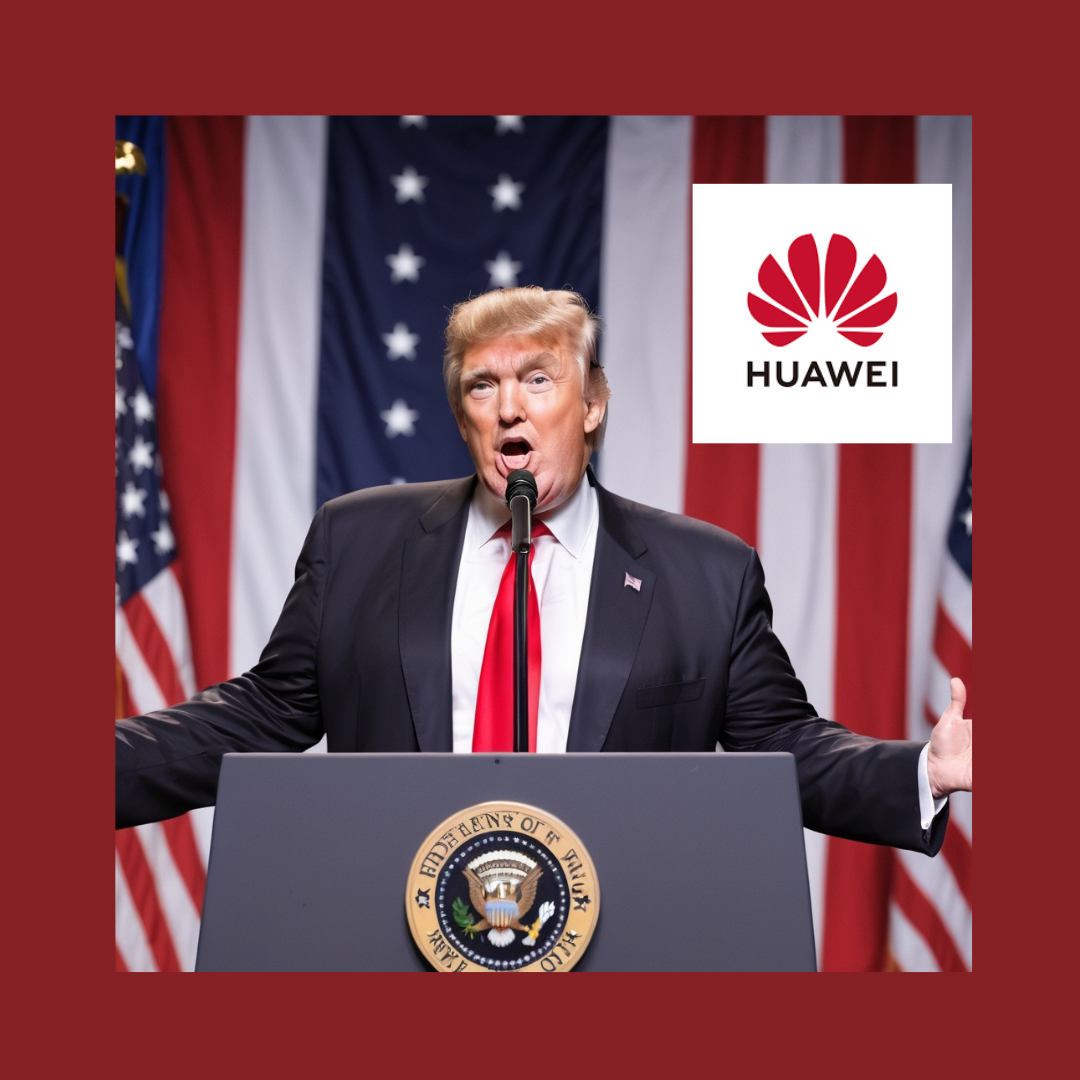
The United States has tightened global restrictions on the use of Huawei’s AI chips, citing security risks and American technology, despite recent signs of trade easing with China.
Key Points:
- Expanded Restrictions: Washington bans global use of Huawei AI chips made with US technology.
- China Response: Beijing accuses the US of trade encroachment and pushes for technological self-sufficiency.
- Industrial Impacts: Huawei’s production slows, with chip yields affected.
- Global Tensions: The EU also criticizes the restrictions, fearing impacts on innovation and transatlantic cooperation.
The US government recently issued a stern warning against the global use of Huawei AI chips, noting that using them could violate US export control regulations. Specifically, the Commerce Department clarified that Huawei’s Ascend 910B, 910C, and 910D chips are likely made using U.S.-origin technology or software, making them subject to restrictions that require difficult-to-obtain licenses.
While not a new rule, the guidance represents an intensification of existing enforcement efforts amid growing concern that Huawei’s rapid advances in AI hardware are starting to compete with American companies like Nvidia. Huawei has already begun shipping AI chip clusters to China, claiming superior performance compared to comparable Nvidia products.
In parallel, the Trump administration revoked the “Artificial Intelligence Diffusion Rule,” a measure introduced by the Biden administration to limit AI chip exports, citing concerns that the regulation could hamper American innovation and damage diplomatic relations. The move coincided with the announcement of significant deals between the US and Saudi Arabia to build AI infrastructure using Nvidia chips, raising concerns within the administration about using American technology in regions with close ties to China.
Despite the restrictions, Huawei plans to start mass production of its latest AI chip, the Ascend 910C, in the first quarter of 2025. However, US restrictions have significantly reduced the yield of the chips it produces, with success rates around 20%, well below the 70% needed for commercial viability.
In response to the sanctions, Huawei has accelerated the development of its own chips, such as the Kirin 9000S, and invested in building its own advanced semiconductor production lines, seeking to reduce its dependence on outside suppliers. However, its lack of access to advanced technology could widen the gap with global rivals.
China has criticized the new US restrictions, calling them a “flagrant violation” of international trade rules and an abuse of the concept of national security. Beijing has said that the measures will not stop the country’s technological progress, but rather encourage Chinese companies to become self-sufficient.
In addition, the European Union has expressed concern about the export restrictions on AI chips, noting that such restrictions could hinder transatlantic collaboration in security and technological innovation. Brussels has said that it is in the US’s economic and security interests for the EU to be able to purchase advanced AI chips without restrictions.
The current situation highlights the growing importance of technology in the geopolitical context and tensions between global superpowers, with potential repercussions for global supply chains and innovation.