

The Truth about the Origin of Coca Cola. | Festina Lente - Your leading source of AI news | Turtles AI
The Truth about the Origin of Coca Cola.
Editorial Team17 July 2024
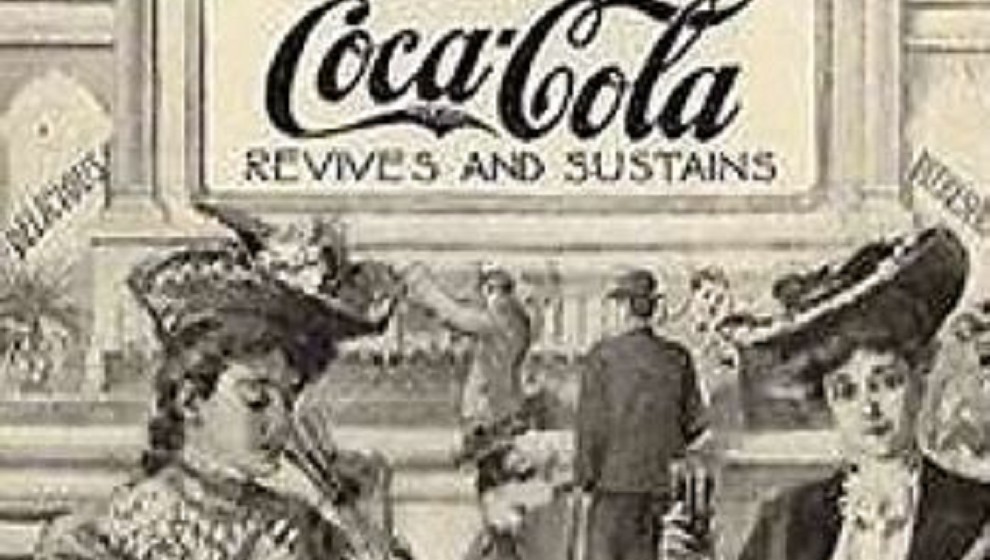
Coca-Cola: The Beverage That Knew How to Reinvent Itself
The history of Coca-Cola is as fascinating as it is complex, a prime example of how a product can evolve while keeping its essence intact. Created in 1886 by pharmacist John Pemberton as a remedy for various ailments, the drink originally contained coca leaf extract, from which cocaine was extracted, and caffeine-rich cola nuts,hence its name. This explosive mix made Coca-Cola not only refreshing but also slightly stimulating.
The Transformation of the Recipe
As the years passed, growing awareness of the harms associated with cocaine led to the removal of this substance from the recipe in 1903. This change was a first step toward adapting the drink to new public health needs and legal regulations. Coca-Cola replaced cocaine with caffeine, another stimulant, thus retaining some of its original energizing effect.
Even after the removal of cocaine in 1903, Coca-Cola was not completely free of illicit substance-related controversies. During Prohibition in the 1920s and 1930s, the drink underwent further modifications to remove alcohol from the formula. However, some reports indicated the presence of traces of ethyl alcohol, a chemical residue associated with alcohol production. Despite these vicissitudes, today Coca-Cola is free of such substances and complies with all food safety regulations.
The Age of Asa Candler
After Pemberton’s death, entrepreneur Asa Candler purchased Coca-Cola for only $2,300, turning it into a successful brand. Candler introduced innovative marketing strategies that propelled the drink to enormous popularity, spreading it first in the United States and then around the world.
Innovation and Diversification
Over the years, Coca-Cola has continued to reinvent itself. In the 1980s, it introduced the controversial "New Coke," a new formula that, despite being favored in taste tests, failed to win the hearts of Americans. The company quickly responded by bringing the original formula back to market as "Coca-Cola Classic," demonstrating a focus on consumer desires.
Today, Coca-Cola is much more than just a carbonated beverage. The company has diversified its product portfolio to include low-calorie sodas, energy drinks, and, recently, even alcoholic products such as Jack Daniel’s & Coca-Cola. This innovative approach has enabled it to remain relevant and beloved in an ever-changing market.
A Global Presence
Coca-Cola has managed to establish a widespread global presence, becoming a cultural symbol. Its connection to historical events, such as the "I’d Like to Buy the World a Coke" ad campaign in the 1970s, and collaborations with icons such as Andy Warhol, have reinforced its status as an iconic brand.
In sum, Coca-Cola is a shining example of how a brand can evolve while staying true to its roots, responding to cultural and market changes without losing its original appeal. Its ability to innovate and adapt makes it one of the most beloved and recognized beverages in the world.
