

Alfred Hitchcock : a Film Genius Who Has No Heirs | Festina Lente - Your leading source of AI news | Turtles AI
Alfred Hitchcock : a Film Genius Who Has No Heirs
Editorial Team7 July 2024
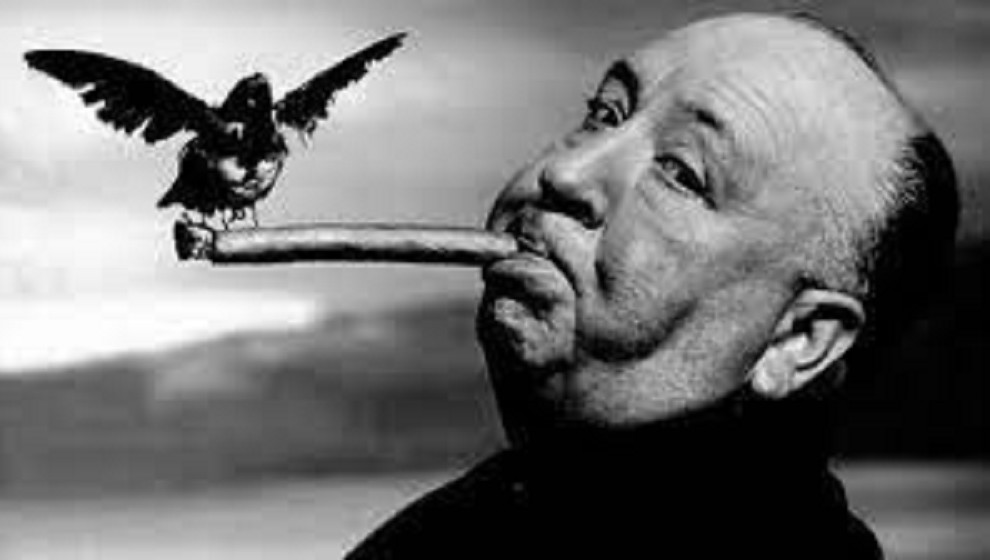
ALFRED HITCHCOCK : THE MASTER OF SUSPENSE WHO REVOLUTIONIZED CINEMA
On April 29, 1980, Alfred Hitchcock, a filmmaker whose talent and vision profoundly influenced the history of cinema, passed away. Known as the "Master of Suspense," Hitchcock left a lasting legacy through his innovative films and revolutionary cinematic techniques.
The Art in Hitchcock’s Films.
For a long time, Hitchcock was considered a mere entertainer. However, thanks to French critics and auteur theory, his reputation began to change. This approach recognized the director as the author of a film, similar to how a painter or writer is considered in art and literature.
Hitchcock’s Masterpieces.
The 1927 silent film, "The Lodger," is seen as the first example of the typical Hitchcockian style. The story, centered on a serial killer on the foggy streets of London, introduces recurring themes such as the innocent on the run and an interest in human sexuality. Hitchcock was strongly influenced by German expressionism, visible in films such as "Nosferatu" and "The Cabinet of Dr. Caligari."
Hitchcock also contributed to the cinematic lexicon with the term "MacGuffin," a central plot element that drives the action but may be of little interest to the audience. Modern examples include the One Ring in "The Lord of the Rings" and the necklace in "Titanic."
Innovative Directing Techniques
One of the most iconic techniques introduced by Hitchcock is the ’dolly zoom,’ used in "Vertigo" to create a visually disorienting effect. This effect was taken up in films such as "Jaws" and Steven Spielberg’s "E.T."
After his success in Britain, Hitchcock was attracted to Hollywood, where he made his first American film, "Rebecca," which won the Academy Award for Best Picture.
Most Influential Film: Psycho
"Psycho" from 1960 is probably Hitchcock’s most influential film. The shower scene, the killing of the protagonist at the beginning, and the iconic soundtrack have left an indelible mark on cinema. The figure of Norman Bates introduced a complex villain for whom audiences felt a strange empathy. The 2012 film "Hitchcock" explores the making of "Psycho" and the influence of Hitchcock’s wife Alma in the creative process.
Forerunner of the Concept of Surveillance.
The theme of surveillance, central to the modern era, was already present in Hitchcock’s films. "Rear Window" explores voyeurism and morality, anticipating current themes related to social media and reality shows. Films such as "Minority Report" and "Panic Room" show the influence of this Hitchcockian theme.
A connoisseur of Human Psychology
Alfred Hitchcock demonstrated a deep understanding of human psychology, as evidenced in films such as "Knot in the Throat " ( Rope) and "I Confess." In "Knot at the Throat," Hitchcock explores the complex relationship between guilt, anxiety and the need for intellectual superiority through the story of two young men who commit murder to prove their superiority. The psychological tension is palpable as the protagonists attempt to maintain the facade of normalcy during a dinner party, with the body hidden in the room. In "I Confess," Hitchcock examines the inner torments of a priest bound by the secrecy of confession, enacting an intense moral and psychological drama. These films show how Hitchcock not only mastered the visual techniques of cinema, but also the art of penetrating the depths of the human mind, making his stories universal and timeless.
Legendary Cameos and Jokes.
Hitchcock was famous for his cameos, often humorous, in 39 of his films, which became so popular that they were inserted at the beginning so as not to distract the audience. One memorable cameo is found in "Lifeboat" (1944), where he appears in a newspaper ad for a slimming product. Hitchcock was also known for his on-set pranks, such as leaving the leads of "The 39 Club" handcuffed for hours or giving a crew member a laxative.
Alfred Hitchcock, with his unique vision and technical innovations, transformed cinema, leaving a legacy that continues to inspire filmmakers and viewers around the world.
