

The History of Lighthouses Through the Centuries | Festina Lente - Your leading source of AI news | Turtles AI
The History of Lighthouses Through the Centuries
Editorial Team6 July 2024
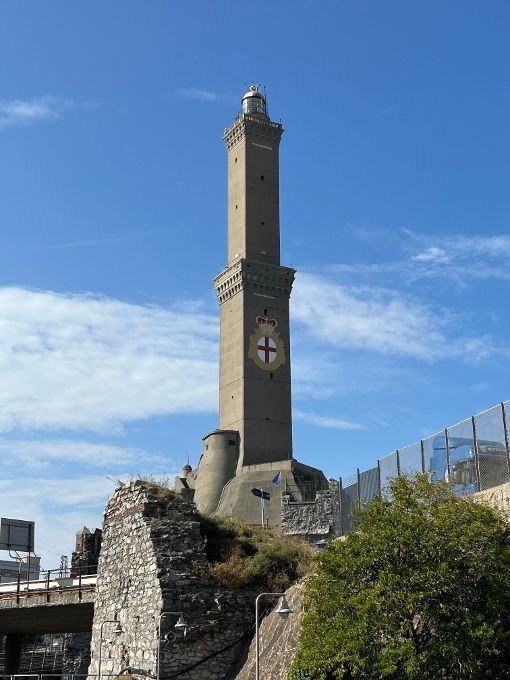
THE SENTINELS OF THE NIGHT : THE FASCINATING HISTORY OF LIGHTHOUSES
Imagine nights without electricity, plunged into deep darkness. If on land getting your bearings could be complicated, on the open sea, without landmarks, it became an almost impossible task. In ancient times, navigation took place mainly along the coasts and during the day. But with the need to travel at night as well, Mediterranean peoples found an innovative solution: the first lighthouses.
To light the sailors’ way, structures were built on which fires of wood and pitch burned. Probably, the first keepers of these fires were slaves or prisoners, charged with keeping the flame alive all night. In this way, dangerous rocks and treacherous shoals were avoided. However, sailors had to beware of pirates, who sometimes lit fires to deceive and plunder ships.
With the expansion of commerce in the Mediterranean from 300 B.C., the first monumental lighthouses, such as the Colossus of Rhodes and the Lighthouse of Alexandria, were born. The Colossus, a 31-meter-high statue of Apollo, held a torch to guide ships, but was destroyed by an earthquake in 224 BC. The Lighthouse of Alexandria, on the other hand, clad in white marble and 120 meters high, illuminated up to 30 miles away, but collapsed in the 1302 earthquake.
The Romans built towers with fires along the borders of their empire, but with its fall, these lighthouses also died out. It was the monks, during the dark ages of the Middle Ages, who kept the tradition alive, especially along the English and French coasts. In Italy, the Maritime Republics played a crucial role: Genoa built the Lanterna in 1128, while Pisa erected the Meloria Tower to help sailors avoid stranding before entering the Pisan Harbor.
From the Renaissance to the Baroque, monumental lighthouses were erected, true castles in the middle of the sea. But it was from the 18th century that lighthouses became sophisticated architectural works, thanks to new lighting systems. From wood faggots to coal, from spermaceti candles to whale and olive oil, came petroleum derivatives and finally electricity.
After 1861, Italy embarked on a vast campaign of lighthouse construction, rapidly illuminating all its coastlines. The Statue of Liberty, inaugurated in 1886, was the first electrified lighthouse, but its torch became insufficient as the city’s lights grew, still remaining an eternal symbol.
Today, lighthouses are almost all automated, reducing human intervention. Despite technological advances, lighthouses retain a timeless charm. Isolated in the middle of the sea, with distinctive lights and signals, they continue to inspire legends and tales. From Homer to Virginia Woolf, lighthouses have fired the imaginations of poets and writers. Although modern electronic navigation systems are thought to have rendered them obsolete, lighthouses remain a reassuring presence for sailors, ready to light the way in the darkest night.
Their light, turned on every night, is a symbol of safety and hope for mariners, a trusted friend guiding them through the deep darkness. And although many of these structures are damaged by time and neglect, they continue to play their vital role, silent witnesses to a long and fascinating history.