

Man’s Endless Race to Measure Time | Festina Lente - Your leading source of AI news | Turtles AI
Man’s Endless Race to Measure Time
Editorial Team5 July 2024
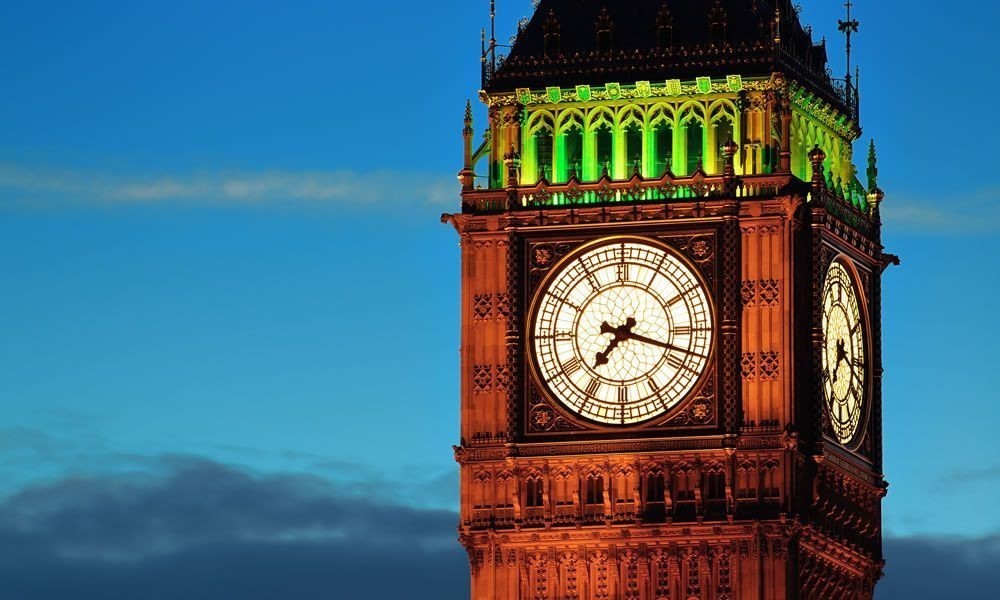
CLOCKS : FROM THE SUNDIAL TO MODERN MECHANICS
Since the dawn of civilization, man has sought to measure time. From simple meals marked by hunger and sunset, we have moved on to the precision of Roman sundials, ingenious Islamic hydraulic clocks, and sophisticated modern mechanical marvels.
The Sundial: The Beginning of the Measurement of Time
The sundial, the first true system for measuring time, appeared in Rome in 263 B.C. Manius Valerius Maximus brought it as spoils of war from Sicily, but the Roman people did not immediately appreciate this instrument that seemed to control their lives. A famous Roman writer complained that, in his youth, his stomach was his only and best sundial.
Water Clocks: Art and Technology in the Islamic World
Centuries later, water clocks appeared in the Islamic world. In 1206, al-Jazari, an engineer in the service of King Nasir al-Din, built a marvelous "castle clock" that combined sound, color and light, impressing anyone who saw it. This clock required careful nightly maintenance to function properly the next day.
The Hourglass: Symbol of Temperance
In 1338, artist Ambrogio Lorenzetti painted the earliest depiction of an hourglass in Siena’s Palazzo Pubblico. In his "Allegory of Good Government," the hourglass represented temperance, urging citizens to use time wisely and with balance.
The Mechanical Clock: An Italian Evolution.
In 1386, one of the oldest mechanical clocks and the oldest remaining clock in Italy was put into operation in Chioggia. Originally built as a public clock, it stood on the tower of the town hall before being moved to the Church of St. Andrew the Apostle. This clock marks a time when the technology of Italian watchmaking reached levels of excellence.
The Pocket Watch: A Portable Universe.
In the 16th century, the invention of the pocket watch revolutionized the concept of personal time. These small watches, initially reserved for aristocrats, became symbols of status. Later, English Puritans introduced a simpler model, reflecting their strict view of time as a divine gift not to be wasted.
Wristwatches: From War to Everyday Life.
Wristwatches, initially used by soldiers during the Anglo-Boer and World Wars to coordinate military operations, became popular in civilian life only later. Before the war, they were considered women’s jewelry, but the need for practicality made them commonplace for everyone.
GPS and Space Clocks
Today, the measurement of time is inextricably linked to satellite technology. GPS, developed by the U.S. Department of Defense, uses satellites with atomic clocks to provide precise locations and synchronize global activities, from telecommunications to energy networks.
The Future of Time Measurement
Looking to the future, scientists are developing clocks with unprecedented accuracy capable of lasting 10,000 years. A prototype of this advanced technology is already on display at the Science Museum in London, promising to further revolutionize our relationship with time.
In sum, the history of clocks is not only a chronicle of technological progress, but also a reflection of our ongoing search for control and order in the incessant flow of time.