

OpenAI opens the construction site of the work of the future | ChatGPT OpenAI | OpenAI Login | Chat GPT gratis | Turtles AI
OpenAI opens the construction site of the work of the future
An AI-driven hiring platform and dedicated certifications promise to connect businesses and talent, challenging LinkedIn and reshaping career paths by 2026
Editorial Team5 September 2025
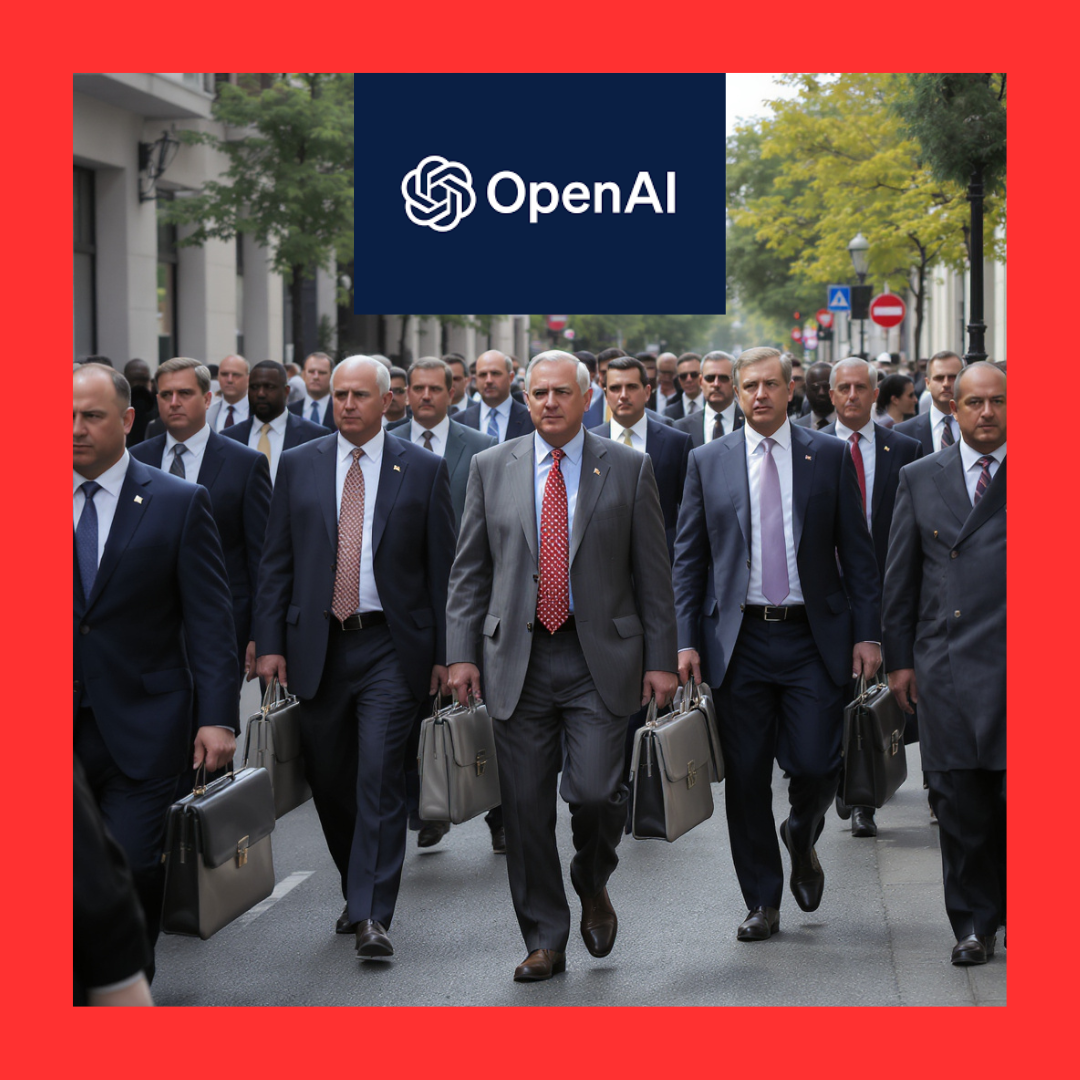
OpenAI will launch an AI-powered hiring platform by 2026, along with professional certifications through OpenAI Academy. The goal is to connect companies and candidates, competing directly with LinkedIn and training millions of workers with AI skills.
Key Points:
- OpenAI will develop the OpenAI Jobs Platform, an AI-powered hiring platform, launching by mid-2026.
- The goal is to connect companies and workers, including small businesses and local governments, with a strong focus on AI skills.
- The OpenAI Certifications program will be expanded through OpenAI Academy, with a pilot project planned for late 2025 or early 2026 and the goal of certifying 10 million Americans by 2030.
- OpenAI intends to compete directly with LinkedIn, although LinkedIn has already integrated AI capabilities in recent months.
OpenAI has unveiled its intention to enter the professional recruiting world with an ambitious project: a platform called OpenAI Jobs Platform, designed to connect companies and candidates with the help of AI. Scheduled to launch by mid-2026, the system promises to automatically identify "ideal matches" between what companies need and what workers can offer.
Fidji Simo, CEO of OpenAI Applications, announced the initiative in a company blog post, revealing that the platform will not be limited to technical roles but will also include a dedicated path for small businesses and local governments to access AI talent. At the same time, OpenAI will introduce the OpenAI Certifications program, which expands on its Academy launched last year, offering certifications at different levels of AI fluency, from basic to prompt engineering, with modules accessible directly from ChatGPT.
OpenAI’s plan, explained by a spokesperson at the blog post, also includes collaboration with companies such as Walmart, Boston Consulting Group, Accenture, John Deere, and state governments to ensure that training and business demand coincide, with the goal of certifying 10 million people by 2030. The pilot program is expected to launch in late 2025 or early 2026.
These moves place OpenAI in direct competition with LinkedIn, a platform co-founded by Reid Hoffman, one of OpenAI’s initial investors, and now owned by Microsoft, the company’s main backer. LinkedIn has already equipped its network with AI capabilities for matching candidates with companies; OpenAI now aims to offer an alternative centered on AI and integrated certifications.
The economic and technological context is delicate: many industry leaders, such as Anthropic’s Dario Amodei, warn that AI could replace up to 50% of entry-level white-collar jobs by 2030. In response, Simo acknowledged the risk of employment disruption, but emphasized that OpenAI aims to help people acquire AI skills and integrate into work ecosystems that require their expertise.
OpenAI is undergoing rapid expansion: it hired Fidji Simo as CEO of applications, acquired hardware startup IO for approximately $6.5 billion, and opened offices and strategic positions in markets like India by the end of 2025. This strategy frames the hiring portal initiative, marking a significant evolution beyond the core consumer ChatGPT.
OpenAI is charting a complex and forward-looking path: integrating job recruitment with certified training and AI technologies, aiming to become an alternative and complementary point of reference to LinkedIn in the professional sphere.