

Between Neurons and Silicon: The New Life of Noland Arbaugh | Generative ai examples in healthcare | Google generative ai free course online | Microsoft generative ai tools download | Turtles AI
Between Neurons and Silicon: The New Life of Noland Arbaugh
The first man with a Neuralink chip tells how he transformed thoughts into concrete actions, recovering independence and a desire for the future after years of immobility
Editorial Team25 August 2025
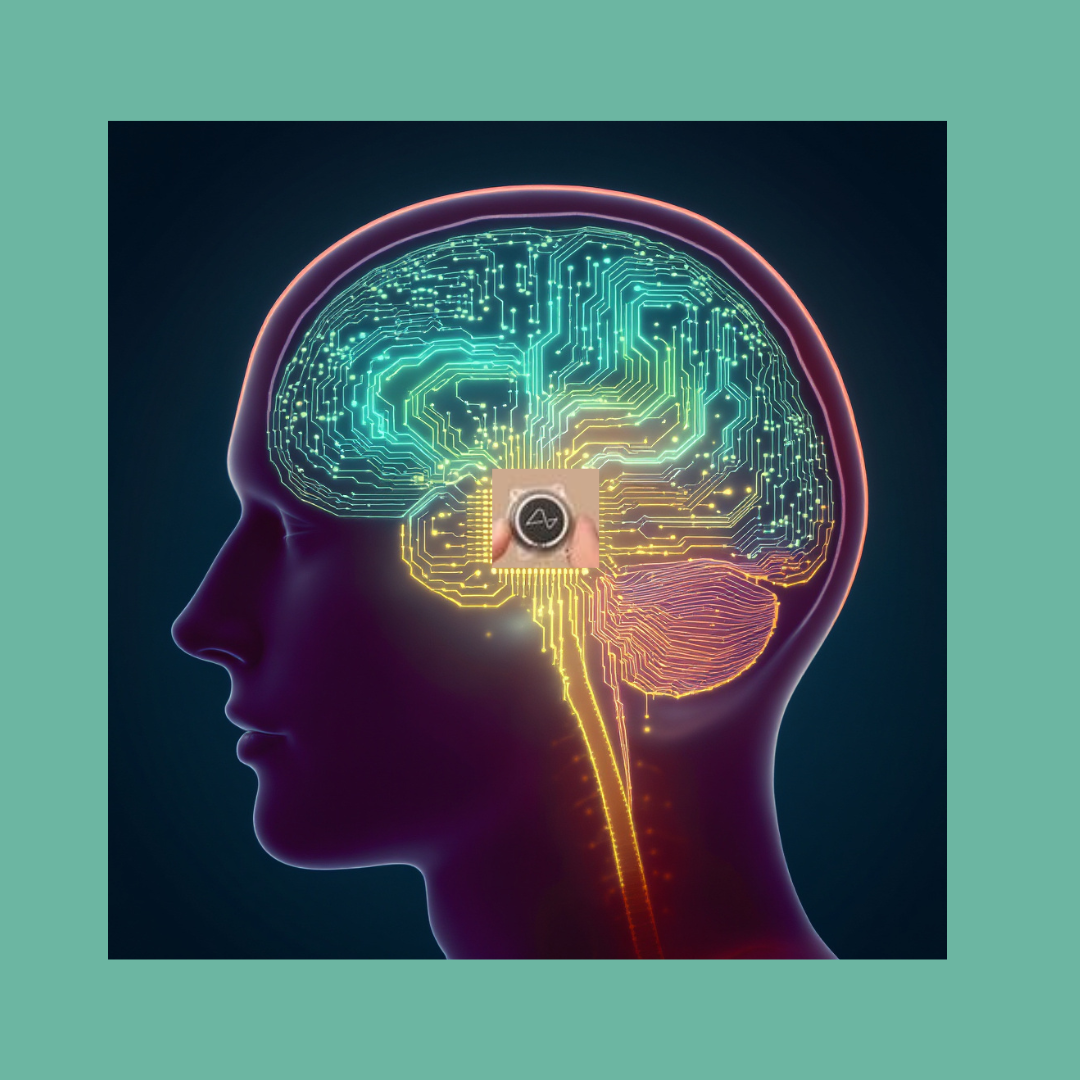
The journey of Noland Arbaugh, the first human to receive a Neuralink brain chip, has changed profoundly 18 months after the procedure. Despite technical ups and downs, he has now regained autonomy, made meaningful choices, and is rediscovering a sense of purpose in life.
Key points:
- Noland Arbaugh, paralyzed after an accident in 2016, received a Neuralink implant in 2024.
- The chip, with over 1,000 electrodes, decodes brain signals to control digital devices with thought.
- After an initial malfunction of the thin filaments, Neuralink corrected the problem with updates.
- Today, Arbaugh studies neuroscience, plays games, manages everyday devices, and gives lectures, regaining independence and motivation.
At the heart of a story that intertwines science, resilience, and the techno-human dream lies the story of Noland Arbaugh, who after a 2016 water accident was left paralyzed from the neck down, deprived not only of physical sensation but also of emotional and vital direction. In 2024, becoming "Participant 1" in the Neuralink clinical trial, he experienced an extraordinary implant: a tiny chip implanted with surgical precision by the company’s robot, which placed over a thousand thin electrodes in his brain, connecting the motor cortex to the digital world via neural waves translated into electronic commands.
From that moment on, manipulating a cursor on the screen, turning on a television, or even controlling a game like Mario Kart became possible with thought alone, a dance between neurons and silicon that restored Arbaugh’s hands-free connection to the outside world. Used nearly ten hours a day, the implant now allows him to read, study, play, and even plan for the future. He has resumed classes at a community college in Arizona and talks about starting a small business, perhaps offering live lectures. He candidly testifies that "I now feel like I have potential again. I was always there, but I’ve finally found a meaningful way to express it."
Yet the journey has not been without obstacles: shortly after the surgery, some of the device’s wires retracted, compromising his ability to control it. Arbaugh chose, with a wisdom that breaks every bold cliché, to remain publicly silent until the Neuralink team identified and fixed the problem. "It would have been too hasty of me to talk about it right away," he explained, fearing it would undermine public trust in the system before functionality could be restored.
In that difficult phase, there’s still room for irony and a healthy dose of lightheartedness: "Technically, I’m a cyborg, because I was enhanced by a ’machine,’" he jokes, but immediately corrects himself, in a frank tone: "I’m still a normal guy, but it’s fun to experiment." And in his storytelling, there’s never a trace of emphatic exaggeration: no "revolution," just a clean, technical, and vibrant narrative, in which a man has consciously chosen to entrust a piece of his mind to the future, to rekindle his autonomy and dignity.
And so, immersed in electrical impulses and transformative bits, Arbaugh moves in the present with his gaze already embracing a tomorrow he has chosen to build.