

ALLEX, the robot that shakes hands with the future without getting hurt | Festina Lente - Your leading source of AI news | Turtles AI
ALLEX, the robot that shakes hands with the future without getting hurt
A hand that “feels”, an arm that glides like silk and a body that forgets gravity: WIRobotics presents the light but determined humanoid, capable of moving with the delicacy of a pianist and the strength of a lifter
Editorial Team19 August 2025
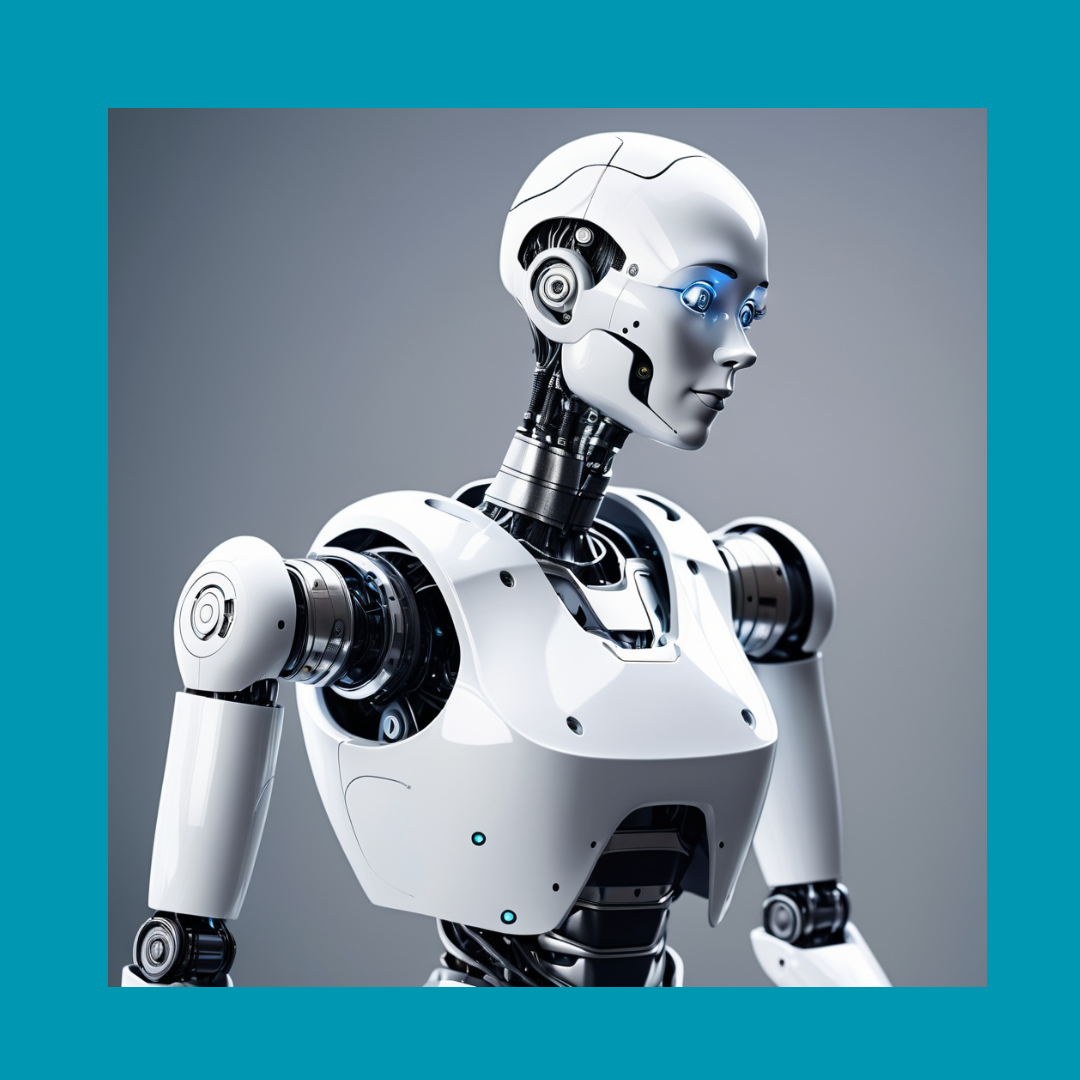
WIRobotics has unveiled ALLEX, a humanoid that senses and adapts to the real world: an ultra-sensitive 15-DOF hand, a low-friction arm, and a gravity-compensating upper body. Lightweight, agile, and modular, it aims for near-daily use by 2030.
Key Points:
- Compliant robotic hand with force sensing up to 100 gf, 15 DOF, repeatability ≤ 0.3 mm, a force of 40 N, and a hook grip of > 30 kg.
- Highly retro-steerable arm: friction and rotational inertia reduced by more than 10x compared to conventional collaborative robots.
- Lightweight structure (hand ~700 g, shoulder-down assembly ~5 kg), yet capable of lifting > 3 kg with one hand.
- Inherently flexible design without force sensors, dynamic response on the arms, fingers, and waist, optimized for ML training and scalability.
On a friendly Korean day, August 18, 2025, WIRobotics unveiled ALLEX—an acronym for "ALL-EXperience"—which appears to have come into the world with a pair of hands capable of whispering to reality: a small, lightweight, and ultra-sensitive robotic hand (just 700 g), which "feels" reactions up to 100 gf, moves with 15 degrees of freedom, repeats movements with precision of less than 0.3 mm, and can squeeze like a massive fist, exerting up to 40 N and grasping over 30 kg with its hook-like grip. It doesn’t look like just an arm, but a symphony of lightweight gears that respond as if they recognize the world around them.
Alongside this almost poetic hand, there’s an arm that has decided to throw away the brakes: with friction and rotational inertia over ten times lower than conventional collaborative robots, it behaves like a ballerina on a velvet dance floor, delivering fluid and, hopefully, inevitably elegant movements. The upper body, meanwhile, has adopted an invisible belt that negates gravity: not a dramatic twist, but a simple mechanical trick that allows it to support heavy loads without fatigue, like someone wearing an everyday superhero costume.
The overall result? A lightweight robotic creature (a 700g hand, the rest of the torso 5kg) that doesn’t look like a pachyderm, yet can lift more than 3kg in each hand, making those collaborative robots weighing over 20kg, proficient at lifting but clumsy at moving, look titanic.
ALLEX, moreover, is a flexible creature: it integrates an intrinsic compliance that allows it to interact safely with people, modulating the force on the arms, fingers, and waist without the need for additional sensors; It’s a dynamic response to the real world, not a pre-programmed reaction. And, importantly, it’s designed to bridge the gap between simulation and practice—a crucial aspect of machine learning training—promising autonomy and scalability that would make even a well-established franchise jealous.
The story of WIRobotics, founded in June 2021 by former Samsung engineers, creators of wearable robots like WIBS and WIM, which won awards at CES 2024 and 2025, and backed by a KRW 13 billion Series A funding round in March 2024, the scope behind ALLEX follows a consistent path. The company founded Korea’s first training center for wearable robots, opened innovation hubs, and now seems intent on embedding everyday robotics in everyone’s lives, strengthening ties with institutions like MIT, UIUC, UMass, KIST, Maxon, and the physics-based AI startup RLWRLD, as if to say: the robot isn’t enough, we also need a brain that understands us.
And the discussion becomes even more intriguing when we discover that ALLEX is not a simple tool, but a platform designed to be modular: arms, hands, body, and guidance can be delivered individually or in combination, simplifying customization in the field, in services, industry, or domestic environments where perhaps folding laundry is no longer a problem (or at least, one hopes so).
In short, if the space between those who dream of domestic bots and those who design their anatomy were a bridge, ALLEX is a pillar. I wouldn’t call it a "revolution" because it seems more like a lucid, almost ironic refinement: robotics that learns to be gentle, precise, light, responsive to touch, but with a practical sense far more human than so many steel monsters that now seem out of fashion.
Here is ALLEX, a humanoid that seems almost human not because of the grace of its movements, but because of the surprising sensitivity with which it relates to our world.