

Chips and a cowboy hat: Washington bets on Intel | List of hardware components with examples | Gpu hardware laptop | Gpu vs cpu reddit | Turtles AI
Chips and a cowboy hat: Washington bets on Intel
Amid mistrust, stalled factories and the spectre of Asian competition, the Trump administration is considering sitting down with Intel’s partners, putting public money on the table to rekindle Ohio’s furnaces
Editorial Team15 August 2025
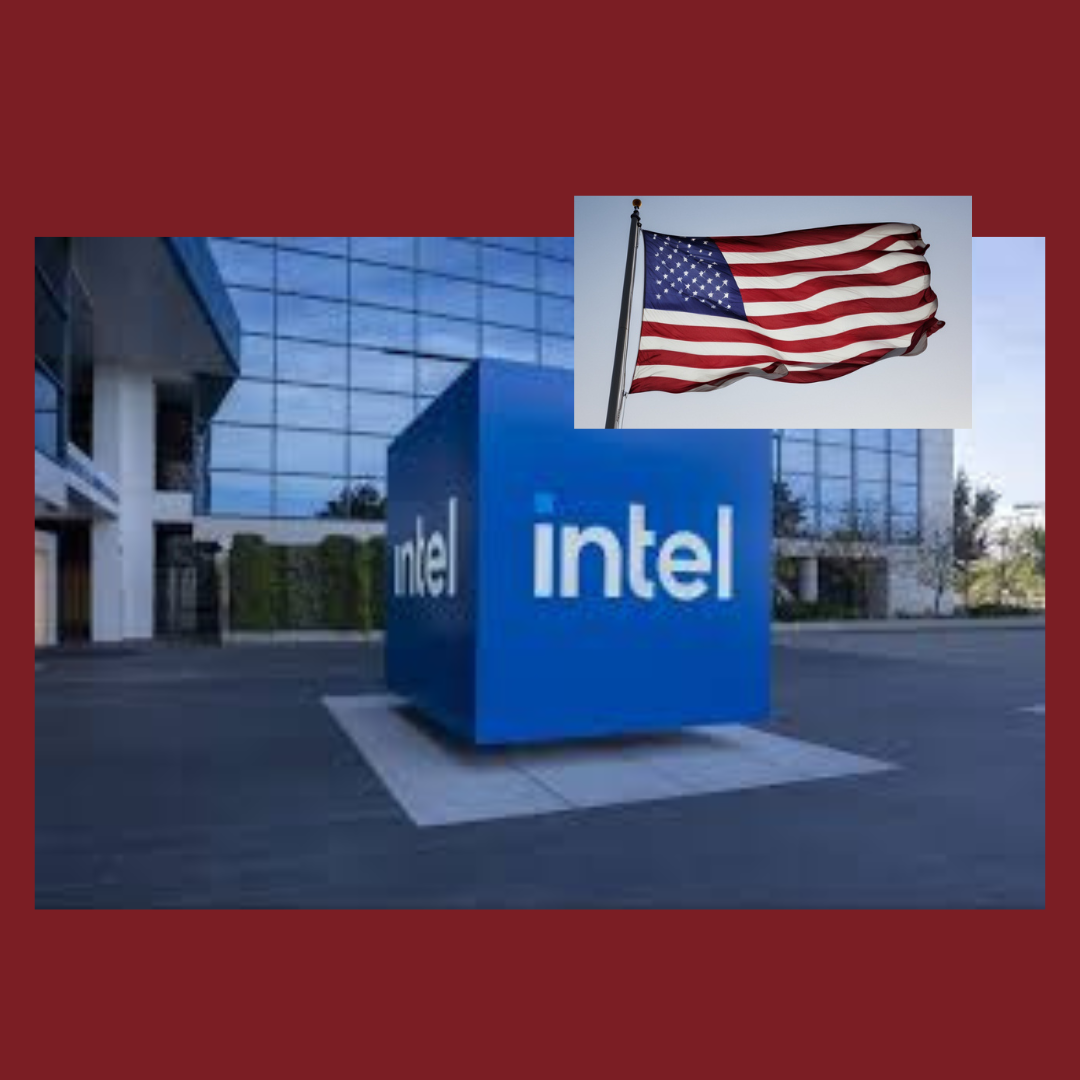
The US government is reportedly considering a stake in Intel to boost its manufacturing ambitions in the Midwest. This move has the smack of political intervention, easing internal tensions and pushing the company toward recovery, but without definitive rights.
Key points:
- The Trump administration is considering a direct financial stake in Intel, according to sources close to the company.
- The meeting between CEO Lip-Bu Tan and Trump sparked negotiations, following pressure on his position.
- The deal could support the delayed mega-plant project in Ohio.
- Analysts warn: a public investment will not solve the company’s fundamental technological problems.
The shadow of a state entering the control room of a semiconductor giant seems like something out of an industrial novel, but it is, very prosaically, what is happening: the Trump administration, armed with geopolitical scenarios that view chip production as a matter of national security, has reportedly opened negotiations with Intel to acquire a stake in the company, according to Bloomberg, generating a ripple effect on the markets and a jump in the stock price between 4 and 7%. The idea isn’t exactly that of a simple subsidy: there’s talk of a direct commitment, perhaps even through CHIPS Act funds, allocated to stimulate the domestic industry.
It all stemmed from a meeting on August 11th between CEO Lip-Bu Tan and Trump: a few days earlier, the president had asked for his resignation, accusing him of conflicts due to ties with Chinese companies. From tension to negotiation, in a transition that has something of a theatrical quality, a truce perhaps necessary to secure the strategic company (and its CEO). Relations between Washington and Intel have never been so industrial-political.
The game is being played primarily over Ohio: the manufacturing campus, announced years ago and designed to bring high-tech chip production back home, has been postponed several times; construction risks stalling again if external resources and customers don’t arrive. Public investment, in addition to providing momentum, would send a signal to American "fabless" startups: here are your chips, made by an Intel backed by the government. Yet, that’s not enough: analysts emphasize with cutting pragmatism that the crux of the matter is technological: Intel has fallen behind in the race for AI chips, in the hands of Nvidia, AMD, and TSMC.
Ultimately, under the "roof of our own home," the state seems ready to dig into its pockets, pursuing a manufacturing do-goodism that exudes realpolitik.
But behind the rhetoric of industrial rebirth lies the awareness that, without a solid technological plan, millions of public funds could also evaporate. A move that has the charm and risk of the unexpected.