

Work and AI: The Silent Change | Generative ai in finance and accounting examples | How does generative ai work | | Turtles AI
Work and AI: The Silent Change
Automated tasks, simplified roles and growing inequalities are transforming the European labour market without official monitoring, while the impact of AI is already being felt in the present of millions of workers
Editorial Team8 July 2025
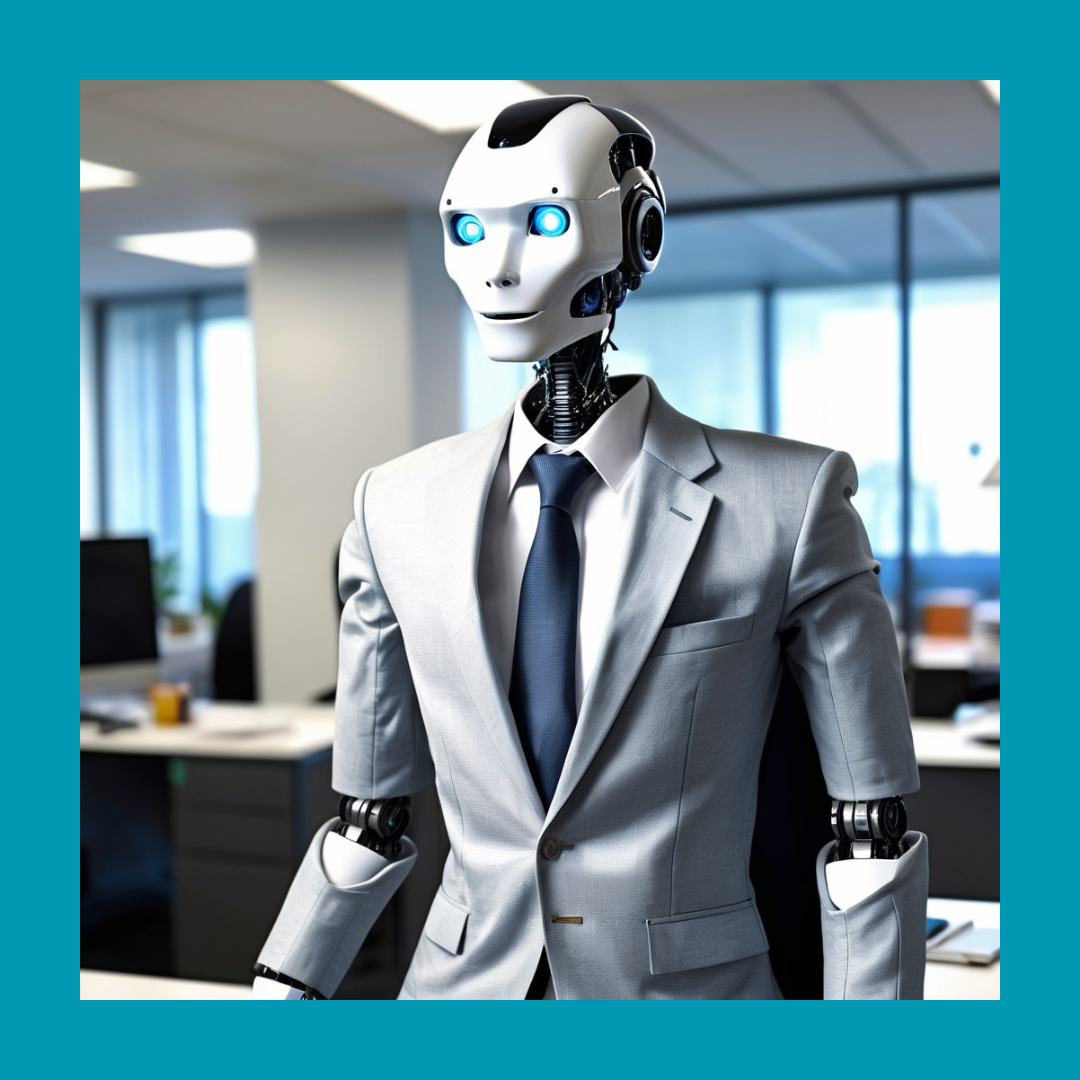
In Europe, AI is progressively replacing routine tasks: tasks are being simplified, entire roles are being redesigned and digital surveillance is causing psychological stress. Official figures and monitoring are lacking, but data on freelancers and the market highlight a phenomenon that is already underway.
Key points:
- Silent reduction of automatable tasks in intermediate roles
- Freelancers and entry-level workers are the most affected, with a 21% drop in requests in the online market
- Growing impact on the psychophysical balance of workers in automated environments
- Increase in wage inequality: less growth in professions exposed to AI
AI is already intervening in the European labor market, acting not so much with layoffs, but through a progressive removal of tasks traditionally performed by humans. In skilled professions, the removal or delegation of repetitive tasks to software leads to deskilling, i.e. a simplification of tasks and a loss of autonomy and skills, with a consequent “downfall” of professional value. At the same time, freelancers – development, graphics, editing – have seen a 21% contraction in demand since generative models like ChatGPT emerged, with an impact visible within eight months of the launch of generative technology. In parallel, European statistics show the highest vulnerability for low-skilled activities, while support and interface tasks remain relatively protected.
However, the adoption of AI creates an ambivalent dynamic: Barclays reported that, although less than 10% of core tasks can be automated more efficiently than humans, AI-exposed professions are showing a slight increase in employment, accompanied however by wage stagnation of up to 0.74p.p. less growth per year. At the same time, entire categories – from logistics to retail, to administrative services – are undergoing a “declassification” of work, with roles reduced to residual tasks or sold to external platforms.
The transition is not limited to the loss of tasks, but also involves the mental well-being of workers. Studies in Europe reveal greater monotony, stress and a sense of control, slowing motivation and professional satisfaction in more automated contexts. Digital surveillance, combined with the push for technological efficiency, erodes the quality of work and decision-making autonomy, worsening situations of uncertainty and insecurity. On a social level, the phenomenon exacerbates inequalities: young people and skilled workers seem to gain some advantage, while intermediate and female roles – often characterized by codifiable tasks – are the most affected.
In European decision-making centers, high-tech programs and centers are activated, and there is talk of “innovation hubs,” but there is a lack of official tools to measure the silent erosion of daily tasks. Policies considered to be focused on “future risk” do not intercept this adaptation in real time, precisely when for many professionals the transformation is already underway. Neither statistics nor labor registers are able to capture the gradual exclusion from work, a subtle and not very evident phenomenon, which affects everyone from the freelance level to intermediate roles.
In this scenario, a tension emerges between an overall increase in employment in the most advanced sectors and an overall reduction in opportunities in traditional roles. AI does not eliminate workers by beating them with mass cuts, but clears them “piece by piece” from their daily work, changing the configuration of work, required skills, psychophysical conditions and salary paradigms.
The future of European work is changing before our eyes, not through strikes or obvious crises, but through the progressive alignment of tasks with digital efficiency, an invisible but now underway process.
