

Honey: the elixir of the gods that we do not know | Festina Lente - Your leading source of AI news | Turtles AI
Honey: the elixir of the gods that we do not know
Honey: a journey between sweetness, ancient traditions and surprising healing properties
Editorial Team16 October 2024
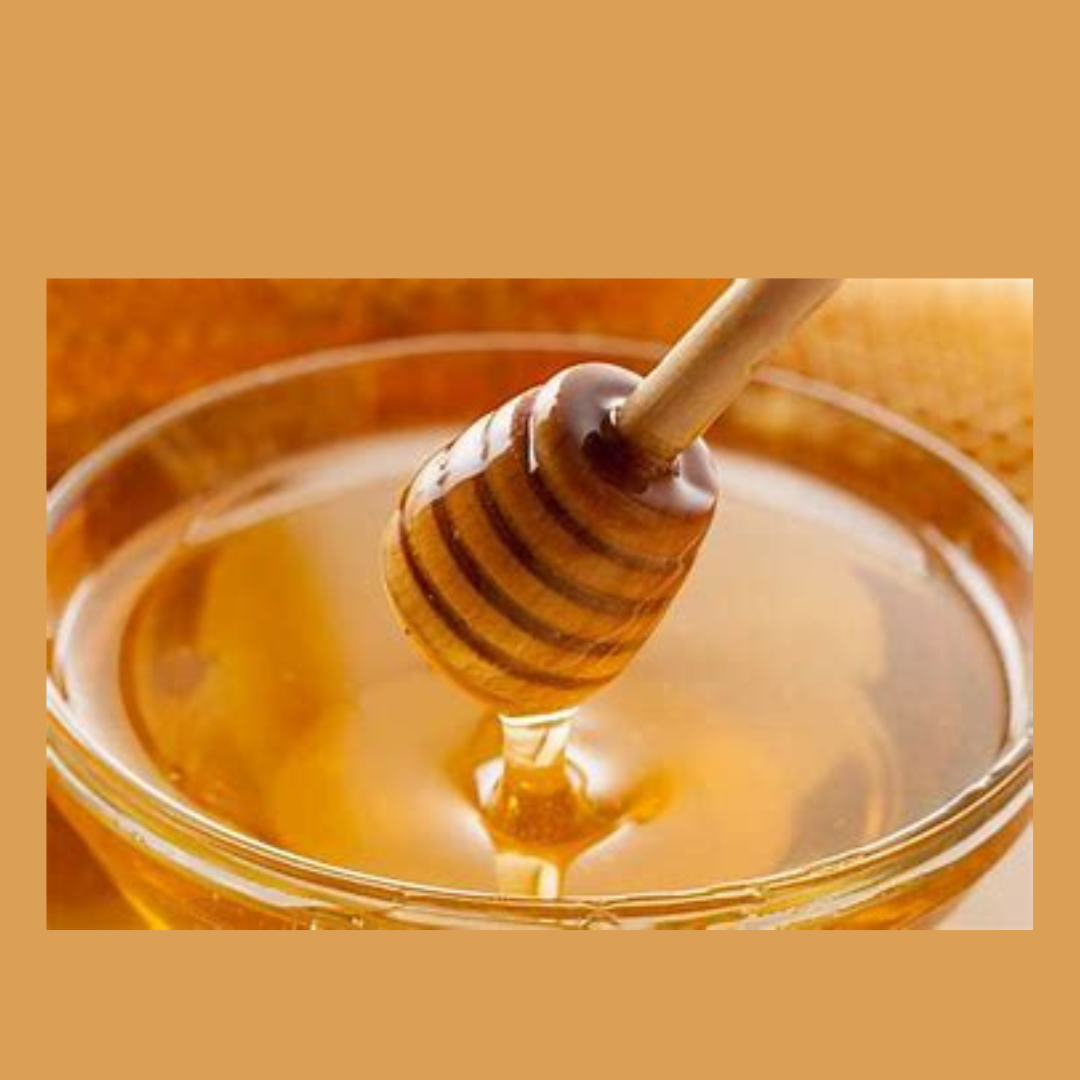
Honey, sweet nectar of bees, is a natural treasure that goes far beyond its simple function as a sweetener. With a history rooted in antiquity, this food holds secrets and curiosities that make it a true elixir for the body and mind.
Key points:
- Honey has no expiration date and can be consumed forever if stored properly.
- Not all bees produce honey: only certain species, such as Apis Mellifera, are capable of creating this delicious food.
- Honey crystallization is a natural phenomenon that does not alter its goodness.
- Beekeepers, guardians of colony health, take only a portion of the honey produced to ensure the survival of the bees.
Imagine finding a jar of it in an Egyptian tomb: some archaeologists are said to have discovered honey dating back millennia, perfectly preserved. This makes us realize how extraordinary is the power of this food, which is not afraid of time. Its long shelf life is due to its low humidity and acidity, making it hostile to bacteria and mold. Therefore, honey has no expiration date: it is a gift from nature that can remain edible indefinitely.
But how best to maintain it? The ideal temperature for storing honey is in a cool place, away from light and heat. Contrary to what you might think, the refrigerator is not the right environment, as cold and humidity can promote crystallization and compromise the flavor and aroma. Better, therefore, to store it in the pantry, ready to be used.
Honey should be enjoyed with a wooden spoon because metal can alter its flavor and properties, while wood preserves the natural sweetness of this precious nectar intact.
Not all bees, however, are skilled honey producers: the Apis Mellifera, widespread in Europe, and the Apis Cerana, found in Asia, are the most prolific. More than 20,000 species of bees exist worldwide, but only a few of them engage in this sweet art. For bees, honey is not only a gift to mankind, but a vital source of nourishment during the rigors of winter. They collect it carefully, storing it in the hexagonal cells of the hive, where they gather around the queen bee to maintain a warm and cozy microclimate.
In addition, honey also has amazing healing properties. It is known for its antibacterial and antibiotic properties, making it an ideal natural remedy for small wounds and abrasions. Applied to injuries, honey helps to disinfect and accelerate the healing process, a perfect example of how nature can offer us effective and healthy solutions.
Another fascinating feature is crystallization. This phenomenon is completely normal and does not compromise the quality of honey. Depending on the type of sugars present, some honeys crystallize faster than others: honeys with a high percentage of glucose, such as dandelion or sunflower honey, tend to solidify more easily, while those rich in fructose, such as acacia honey, remain liquid longer.
Finally, it is good to know that beekeepers act wisely and respectfully toward their colonies. They know that honey production must be done in a sustainable way. When harvest time comes, they always leave some of the honey in the hive, which is essential for the bees’ survival.
On this journey through the world of honey, we discovered not only its sweetness, but also the importance and respect this food deserves. The next time you savor a teaspoon of honey, remember that you are enjoying the fruit of the collective labor of millions of bees, a true treasure of nature.